
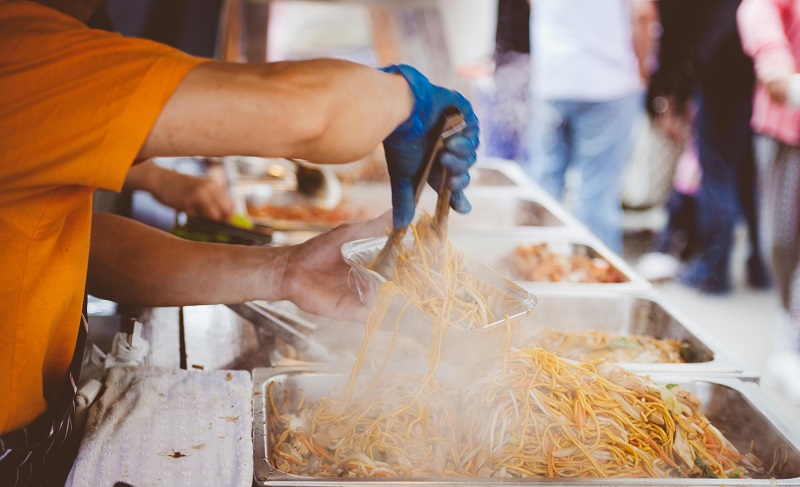
Close your eyes and picture this: you’re wandering through a balmy night market in Bangkok. The air is perfumed with jasmine and smoky chili. Vendors call out over the clang of metal spatulas hitting hot woks. Palm fronds sway above neon-lit stalls, and then, there it is, that first gloriously greasy, flavor-packed bite. Boom. Your tropical adventure has officially begun.
Street food in Southeast Asia isn’t just something you eat on the go. It’s the rhythm of the streets, the heartbeat of island life, the soul of communities stretching from the beaches of Phuket to the rice terraces of Bali. Every skewer, every bowl, every sizzling wok carries stories, ancient recipes, guarded family secrets, and generations of sun-soaked resilience.
In 2026, the region’s hawker culture is thriving like never before. Post-pandemic revival has brought bustling crowds back to night markets, and many vendors now embrace eco-friendly packaging and proudly source hyper-local ingredients. Imagine planning your own self-guided “street food safari” across Thailand, Vietnam, Indonesia, Malaysia, and the Philippines. Start in Bangkok, hop over to Phu Quoc, detour through Lombok, feast your way across Penang, and finish strong on Boracay.
With just $5–10 USD a day, you can eat like royalty. Feeling hungry already? Let’s dive into the unforgettable bites that might just have you browsing flights tonight. Your taste buds won’t thank you later, they’ll be too busy throwing a party.
Sizzling Thai Delights in Bangkok and Phuket
Thailand’s streets buzz with bold, fiery flavor. First stop: Pad Thai along Yaowarat Road in Bangkok’s electric Chinatown. This iconic stir-fried noodle masterpiece tosses rice noodles with shrimp, tofu, egg, and crunchy bean sprouts in a tamarind-kissed sauce, finished with crushed peanuts and a squeeze of lime. The aroma is pure magic, smoky wok char mingling with bright citrus. Each bite balances tangy, savory, sweet, and spicy notes with chewy and crisp textures dancing together.
Created in the 1930s to promote rice noodles over wheat, Pad Thai has grown into a global legend. Add extra lime and chili flakes if you like a gentle heat (around 4/10). At the legendary Thipsamai, plates start around $2 USD, and yes, the lines can stretch for hours. One traveler laughed that her first forkful instantly erased her jet lag: “Suddenly, Bangkok felt like home.”
Next up in Patong: Moo Ping. These grilled pork skewers, marinated in coconut milk, garlic, and coriander root, are smoky, juicy perfection. Paired with sticky rice and dipped in sweet chili sauce (heat 3/10), they’re pure beachside bliss. Originating from Isaan farming communities, they’ve become a Thai street essential. Around $1 USD buys you three skewers, especially irresistible near Bangla Road, where palm sugar glaze makes all the difference.
Vietnamese Street Magic in Hoi An and Phu Quoc
Vietnam’s coastal towns bring bright, herbaceous flavors to the table. In lantern-lit Hoi An, Banh Mi reigns supreme. This irresistible French-Vietnamese fusion stuffs a crisp baguette with pâté, pickled carrots, cilantro, chili, and grilled pork, or tofu for a plant-based twist. Crunchy outside, juicy inside, it carries the fragrance of rice vinegar and fresh herbs.
Born in Saigon bakeries in the 1950s, Banh Mi remains endlessly adaptable. Spice lovers can push the heat to 5/10 with sriracha. At the famous Banh Mi Phuong, sandwiches cost about $1.50 USD and have even drawn praise from former U.S. President Barack Obama. One backpacker swears she met her future husband over a shared, sauce-dripping Banh Mi, proof that street food fuels more than hunger.
On Phu Quoc island, head to Duong Dong Market for Goi Cuon, fresh spring rolls packed with shrimp, pork, vermicelli, mint, and basil. Wrapped in delicate rice paper and dipped into peanut-hoisin sauce, they’re light, cooling, and ideal for humid evenings. With roots tracing back to ancient Cham influences, these rolls cost around $1 USD and now often come in biodegradable wraps at eco-conscious stalls.
Indonesian Flavor Explosions in Bali and Lombok
Indonesia’s islands bring the heat. On Kuta Beach in Bali, Nasi Goreng steals the spotlight. This fried rice favorite combines shrimp paste, sweet kecap manis, egg, chicken, and crunchy emping crackers into a smoky, caramelized umami bomb (heat 6/10). Its origins trace back to Java’s port cities, but today many vendors proudly use organic rice sourced from Ubud farms. At Warung Makan Local, a generous plate costs about $2.50 USD. Add sambal for extra fire and chase it with es campur, a refreshing shaved ice dessert.
In Lombok’s Senggigi stalls, Ayam Taliwang commands attention. This grilled chicken, coated in base genep, a complex 27-spice paste of turmeric, chilies, lemongrass, and more, delivers aromatic intensity (heat 8/10). A signature dish of the Sasak people, it’s crispy outside, tender inside, and unforgettable. At roughly $3 USD, it’s best paired with plecing kangkung, blanched spinach tossed in spicy sambal.
Malaysian Melange in Penang and Langkawi
Malaysia’s hawker culture is a beautiful cultural mashup. Along Gurney Drive in Penang, Char Kway Teow sizzles in massive woks. Flat rice noodles fry up with prawns, cockles, egg, Chinese sausage, and bean sprouts in dark soy sauce, creating a smoky seafood punch (heat 4/10). With Hokkien Chinese roots and post-WWII popularity, it’s now a proud symbol of Penang’s UNESCO-recognized food heritage. At the famed Ah Pui Fried Kway Teow, a plate costs around $2 USD and tastes even better under pouring rain.
Over on Langkawi, Nasi Lemak rules breakfast tables and beach mornings alike. Fragrant coconut rice anchors the dish, topped with sambal anchovies, peanuts, egg, and cucumber. Dating back to the 1800s, it’s comforting, gently spicy (heat 5/10), and costs about $2.50 USD. Swap anchovies for tempeh if you’re vegetarian, and sip frothy teh tarik alongside it.
Filipino Feasts on Boracay and Palawan
The Philippines brings sunny boldness to its beachside bites. At D’Mall in Boracay, Isaw, grilled chicken intestines, crackles over open flames. Marinated in soy and vinegar, then dipped in spicy vinegar sauce, these skewers are crispy, tangy, and wildly addictive (heat 3/10). At just $0.50 USD, they’re fiesta favorites and a quick energy boost before diving adventures.
In Puerto Princesa, Kinilaw offers a refreshing contrast. Fresh raw tuna marinates in vinegar, ginger, onions, calamansi, and chilies for a bright, citrusy zing (heat 4/10). Rooted in indigenous Visayan traditions, this Filipino-style ceviche costs about $3 USD and pairs perfectly with pusô rice dumplings.
These street foods embody Southeast Asia’s vibrant spirit, colorful, sweaty, spicy, joyful, and unforgettable. If you’re narrowing it down, start with Pad Thai for nostalgic comfort, Banh Mi for fresh crunch, and Nasi Goreng for bold adventure. For safety, follow the locals, choose busy stalls, stay hydrated, and stick to bottled water. Vegetarian? Just ask, most vendors happily customize.
So, are you ready to chase these flavors across tropical shores? Share your wildest street food story below, and maybe start packing. Your island feast is calling.
This post is generated by ChatGPT